ByJohn A
Artificial Intelligence in Photography
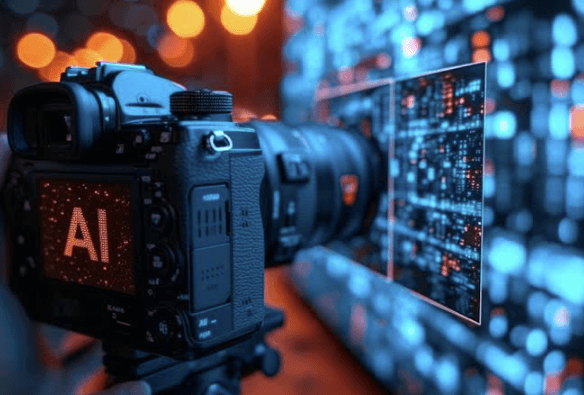
Artificial intelligence is reshaping photography, from how a scene is captured to how it is refined. Tools automate routine tasks, interpret subjects, and adjust exposure in real time. Yet the photographer’s voice must endure—ethics, transparency, and clear authorship matter. AI can accelerate work, but it also invites questions about originality and bias. The balance between automation and perceptual judgment remains fragile; the next choice may redefine what counts as a photograph.
How AI Is Changing the Core of Photography
Artificial intelligence is redefining the core practices of photography by automating technical tasks, enhancing image analysis, and guiding creative decisions with data-driven insights. This shift prompts careful evaluation of workflows, ethics, and ownership.
Generative archives emerge as memory pools for learning, while prompt stewardship shapes how intent becomes output. Practitioners seek freedom through transparent, principled tool use and measured experimentation.
AI in Shooting: Autofocus, Scene Understanding, and Dynamic Exposure?
In this phase, photographers encounter how AI-driven autofocus, scene interpretation, and adaptive exposure sharpening can influence both technique and outcomes. The discussion remains measured: auto focus and scene understanding illuminate decision points, while dynamic exposure assists balance without dictating style. Diligent evaluation preserves agency, ensuring tools support craft without erasing personal voice or creative risk.
AI in Post-Processing: Style, Noise, and Speed Without Losing Your Voice
AI-powered post-processing offers photographers a toolkit to refine style, manage noise, and accelerate workflows without compromising personal voice.
The approach prioritizes transparent, principled methods: users retain intent while leveraging algorithms for style transfer and noise suppression.
Caution is essential to avoid homogenization or dependency; freedom rests on deliberate choices, testing across images, and preserving unique perceptual thresholds amid automated speed.
See also: tirafqarov
Ethics, Authorship, and Skill: Navigating Creativity With AI
Ethics, authorship, and skill in the era of AI compel photographers to distinguish between tool-use and creative authorship. The discussion centers on ethics evolution and authorship ambiguity, urging transparent attribution and responsibility. A cautious stance recognizes AI as a collaborator, not a replacement, preserving individual voice while inviting disciplined experimentation. Freedom emerges from clear guidelines, accountability, and deliberate, skillful practice.
Frequently Asked Questions
How Does AI Affect the Photographer’s Personal Style Long-Term?
AI gradually refines personal style through workflow choices, risk awareness, and reflective practice, while balancing AI ethics and audience intent; gear longevity becomes a consideration, yet the photographer remains probabilistic, transparent, and principled, preserving freedom in expression.
Can Ai-Assisted Edits Be Fully Reversible if You Dislike Results?
AI reversibility is generally possible if non-destructive edits are used, though full reversibility depends on tooling and workflow; the style impact remains, with cautious emphasis on preserving originals. This principle supports freedom while acknowledging potential AI limitations.
What Are Rights and Ownership Issues With Ai-Generated Enhancements?
An illustrative case shows ownership often remains with the creator of the input, while rights ownership of AI-generated enhancements may be shared or dictated by terms; ethical implications arise, demanding transparency, attribution, and consent for broad, freedom-seeking audiences.
How Reliable Is AI for Real-Time Color Accuracy on Set?
AI’s reliability for real-time color accuracy on set is limited; professionals should treat results as provisional. AI color calibration aids workflows, but on set chroma sampling remains essential, with human verification and backups, preserving creative freedom and accountability.
Will AI Reduce the Need for Traditional Photography Skills?
AI will not fully replace traditional photography skills; proficiency remains essential, though automation shifts roles. A 37% rise in AI-assisted workflows highlights efficiency gains, yet raises AI ethics concerns and data sourcing risks for practitioners seeking freedom and responsibility.
Conclusion
AI tools loom like colossal partners behind every shutter, amplifying speed, precision, and reach far beyond human cadence. Yet they must be tamed by clear authorship, unwavering ethics, and transparent limits. When used, not worshipped, these systems can sharpen vision without erasing the photographer’s voice. If overtrusted, they could flatten nuance into near-universal polish. The prudent path embraces AI as a collaborator—expanding possibility while preserving judgment, intention, and responsibility at the core of each image.